
Affiliate disclosure: Some links in this article are affiliate links. If you book through them, we earn a small commission at no extra cost to you. This doesn’t influence which options we recommend or what we write — the advice is the same regardless.
Montenegro is small enough to cross in an afternoon and varied enough to fill two weeks. Within a few hours of driving a rental car, you can move from a medieval walled city on a bay that looks like a film set, up 25 hairpin bends to a mountain summit with views across three countries, back down to a beach town that’s half Italian riviera and half Balkan chaos, and then south to a stretch of coast that feels more like Albania — because it essentially is. That contrast is what makes a road trip here work so well. The distances are manageable, the roads are mostly good, and the things that are worth seeing are spread far enough apart that you actually feel like you’re going somewhere. This guide gives you the route, the timing, the practical details, and the honest notes on what’s worth the detour and what isn’t.
TL;DR: 5-day core itinerary at a glance
Day Route Distance 1 Dubrovnik border → Herceg Novi → Kotor ~100 km 2 Kotor → Lovćen National Park → Cetinje ~60 km 3 Cetinje → Budva → Sveti Stefan ~50 km 4 Budva → Bar → Ulcinj ~80 km 5 Ulcinj → Albania (Shkodër) or north to Durmitor ~60–200 km Total (5-day core): ~350 km. Best months: May–June and September–October. A car is essential: public transport doesn’t connect the highlights.

Is a road trip the best way to see Montenegro?
Short answer: yes.
Montenegro is tiny: just 13,812 km²: but it packs in coast, mountains, canyons, and lakes that are genuinely far apart in terms of driving time. Public transport covers the main towns but misses almost everything worth seeing. There’s no bus to Lovćen. No bus to the Tara Canyon viewpoint. No bus to Ada Bojana.
A car doesn’t just make things easier here: it makes them possible.
The country is also small enough that you’re never driving more than 2–3 hours between major stops, even on the mountain routes. That makes it ideal for a self-drive trip: you cover serious ground without spending the whole day behind the wheel.
Where to book rental cars in Montenegro?
Local Rent Montenegro
Discover Cars Montenegro
When to go
Best months: May–June and September–October.
Roads are clear, prices are 30–40% lower than peak, and you can actually park in Kotor without circling for 40 minutes.
July–August (peak season): The coastal road between Budva and Kotor turns into a slow-moving queue. Parking inside Kotor's old town is essentially impossible. Prices spike 40–60% across accommodation and car rental.
Winter (November–March): Mountain roads: including the Kotor–Lovćen road and the routes into Durmitor: can close due to snow. The coast stays open and is genuinely peaceful, but you'll miss the mountain half of the country.
My take: I've driven the Kotor–Lovćen road in July. It took 45 minutes to cover 5 km. The road itself is extraordinary: but not when you're crawling behind a tour bus in 35°C heat. Go in May.
The road trip route: day by day
Day 1: Dubrovnik → Herceg Novi → Kotor (~100 km)
This is the road trip from Dubrovnik to Montenegro that most people picture when they plan the trip. It's every bit as good as you've heard.
The border crossing:
Two options for crossing from Croatia into Montenegro by car:
- Debeli Brijeg / Karasovići: the main crossing, used by buses, trucks, and most tourists. In peak summer (July–August), waits of 2–3 hours are common. There's also a 5 km stretch of no-man's land between the two checkpoints: factor that in.
- Vitaljina / Kobila: cars only, shorter queues, and the preferred option for anyone who knows the area. It's slightly further from Dubrovnik but worth it in summer.
Note for non-EU travellers: Since April 2026, the EU Entry/Exit System (EES) is fully operational at Croatian border crossings. If it's your first crossing, expect biometric registration (fingerprints + facial scan). It adds time on the Croatian side.
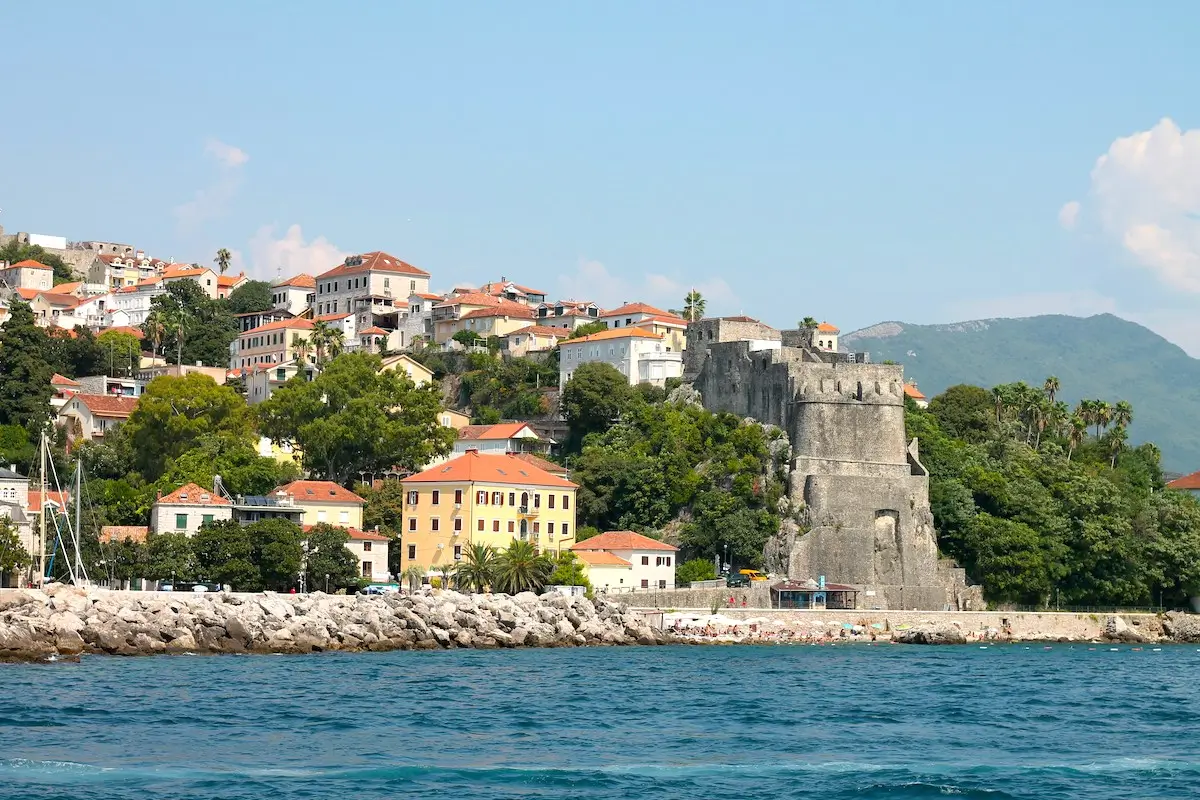
Herceg Novi: Don't skip it. The old town, Kanli Kula fortress, and a coffee stop on the main square take 1–2 hours. It's a proper Montenegrin town, not a tourist set-piece.
The Bay of Kotor drive: From Herceg Novi, the road follows the bay all the way to Kotor. This is the single best drive in Montenegro. The water is on your left, medieval villages on your right, and the bay narrows as you go. Don't rush it.
My take: The drive into the Bay of Kotor from Herceg Novi is the best road in the country. I've done it dozens of times and it doesn't get old.
Sozina Tunnel option: If you're heading straight to Bar or Ulcinj, the Sozina Tunnel (€2.50 toll, 4.2 km) cuts 25 km off the Podgorica–Bar route. Don't use it on Day 1: the coastal drive is the whole point.
Kotor: Park outside the old town walls (€1–2/hour, there are large car parks on the south side). Don't try to drive inside. Walk the old town, then climb the fortress walls above the city: allow 1.5 hours for the climb, and time it for late afternoon if you can.
Stay: Kotor old town (atmospheric, book early in summer) or Dobrota (quieter village 5 minutes north, better value).
Day 2: Kotor → Lovćen National Park → Cetinje (~60 km, allow a full day)
This is the day that separates Montenegro road trips from ordinary coastal holidays.
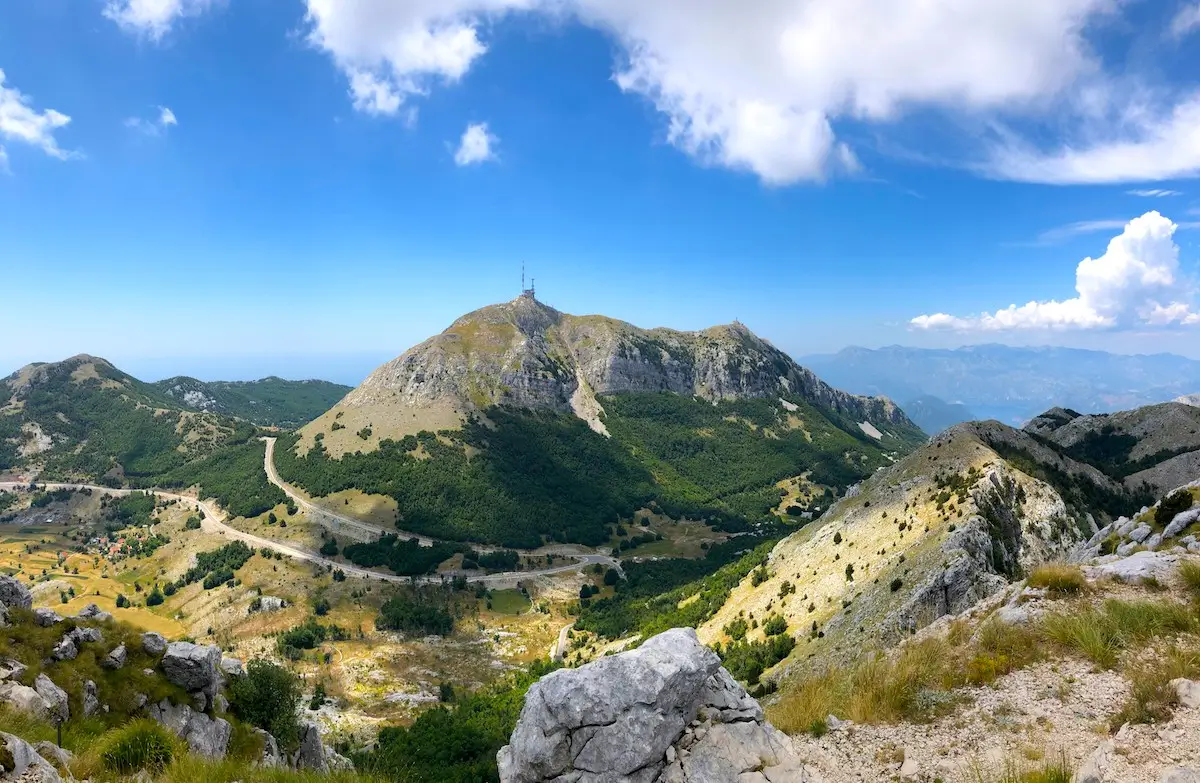
The Kotor–Lovćen road climbs 1,000 metres in roughly 10 km via 25 hairpin bends. It's one of the most dramatic drives in Europe: not because it's fast, but because every corner reveals a new angle on the bay below. The road is narrow in places. Passing oncoming traffic requires patience. In July and August, it's genuinely unpleasant. In May or September, it's unforgettable.
My take: The Lovćen road is not for nervous drivers. But if you take it slow, use the horn before blind corners (standard practice here), and stop at the viewpoints, it's one of the best drives I've done anywhere.
Lovćen National Park: The main draw is the Njegoš Mausoleum on Jezerski Vrh (1,657 m). It's 461 steps from the car park to the top. The views from the summit stretch to the Bay of Kotor, Lake Skadar, and on a clear day, Albania. The mausoleum itself: designed by sculptor Ivan Meštrović: is worth the climb on its own.
Cetinje: Montenegro's historic royal capital sits just below Lovćen. The National Museum complex, Cetinje Monastery, and Biljarda Palace are all within walking distance of each other. Allow 2–3 hours.
Stay: Cetinje (budget-friendly, authentic) or drive back to Kotor (30 minutes via the fast road through Budva).
Day 3: Cetinje → Budva → Sveti Stefan (~50 km)
A shorter day: which is fine, because you'll want time to walk around.
Budva: Montenegro's most touristic town. The old town is compact and genuinely worth 2–3 hours: good for lunch, good for a walk along the walls. Don't plan a full day here unless you're specifically after the beach scene.
My take: Budva in July is overwhelming: wall-to-wall tourists, €6 coffees, and nowhere to park. In May it's genuinely lovely. Same old town, a fraction of the crowd.
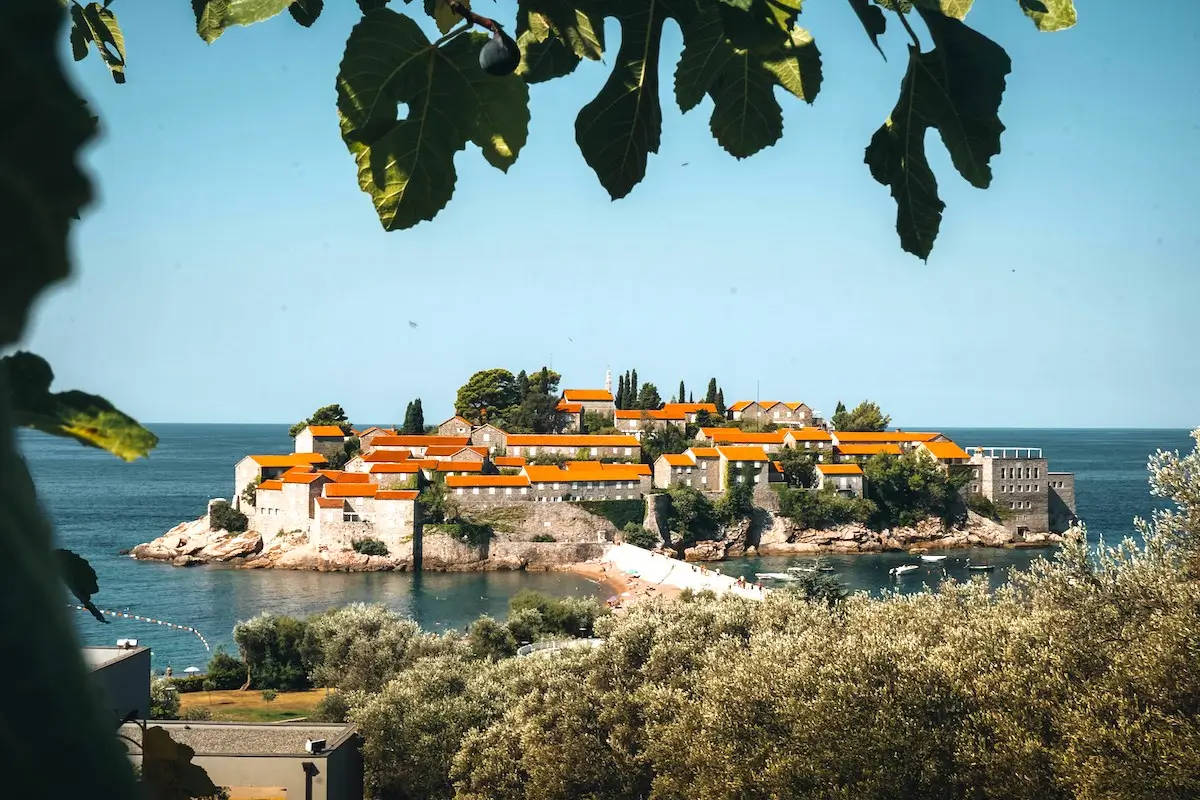
Sveti Stefan: The iconic island hotel connected to the mainland by a causeway. You can't enter unless you're a guest (it's a private Aman resort), but the viewpoint on the road above is free and takes about 30 minutes. Worth the stop.
Petrovac: 15 km south of Budva: a quieter alternative with a good beach, a small old town, and better lunch options than Budva in peak season.
Stay: Budva (central, good nightlife, easy access to the coast) or Petrovac (quieter, better value).
Day 4: Budva → Bar → Ulcinj (~80 km)
Most visitors skip Bar and go straight to Ulcinj. That's a mistake.
Bar: The town itself is unremarkable, but Stari Bar (Old Bar): the ruined medieval city 4 km inland: is one of Montenegro's most underrated sites. Entry is €3. Allow 1.5–2 hours to walk the ruins properly.
Ulcinj: The most culturally distinct town on the Montenegrin coast. It's majority Albanian-speaking, the architecture is different, the food is different, and it's noticeably cheaper than Budva. Velika Plaža (Long Beach) stretches 13 km south of town: the longest beach on the Adriatic.
Ada Bojana: A river island at the Albanian border, accessible by a short bridge. Naturist-friendly, excellent seafood restaurants, and a completely different atmosphere from anywhere else on the coast. Worth an afternoon.
My take: Most tourists skip Ulcinj. That's their loss. It's the most interesting town on the coast, and the seafood at Ada Bojana is the best I've eaten in Montenegro.
Stay: Ulcinj (authentic, significantly cheaper than Budva, good base for the Albania option on Day 5).
Day 5: Ulcinj → Albania option OR north to Durmitor
Two completely different directions. Choose based on how many days you have.
Option A: Albania extension (adds 1–2 days):
Cross at Sukobin/Muriqan: the coastal crossing, 20 minutes from Ulcinj. Shkodër is 45 minutes away. Lake Shkodër, Rozafa Castle, and the food scene in Shkodër are all worth a day.
Critical: Check your rental car's cross-border policy before you go. Most rental companies allow Albania crossings but charge an additional fee (typically €40–60) and require a Green Card. Without the right documents, you'll be turned back at the border. See our full driving tips guide for details.
Border crossing tips:
- Peak traffic runs 10:00–14:00, especially Fridays and Saturdays: cross early or late
- Have your passport, Green Card, and cross-border authorisation ready before you reach the booth
Option B: Durmitor extension (adds 2 days, strongly recommended if you have 7+ days):
Drive north via Podgorica, then through the Morača Canyon (stop for photos and the 13th-century Morača Monastery) to Kolašin, then up to Žabljak and Durmitor National Park.
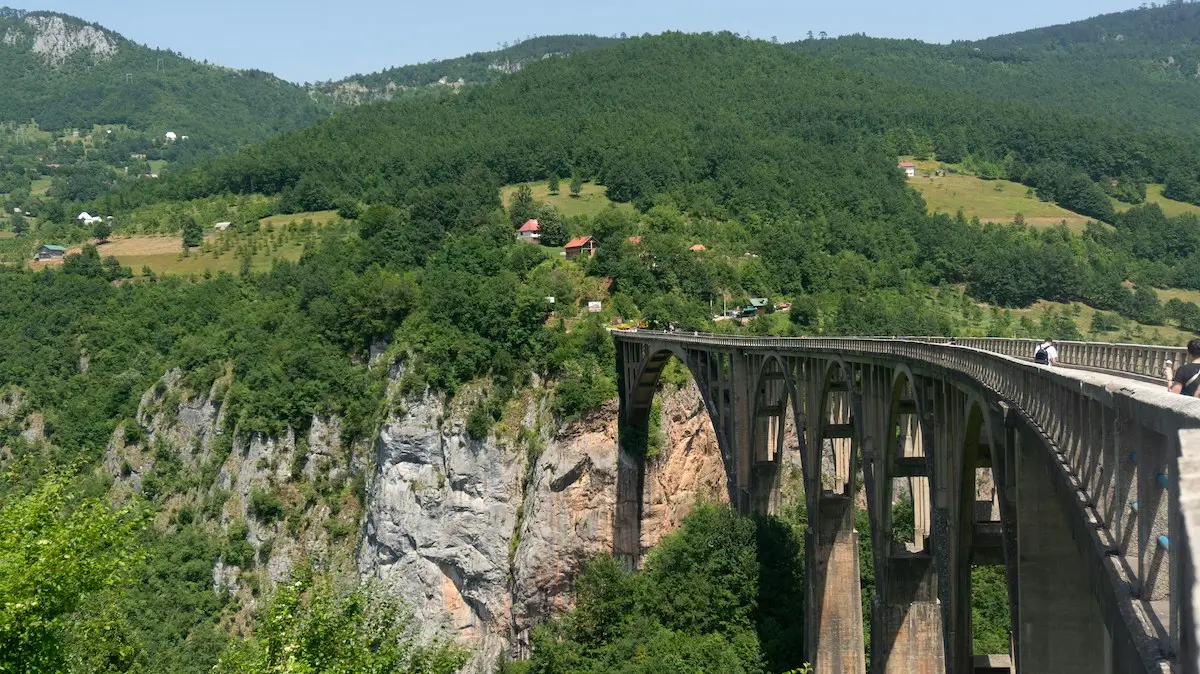
Durmitor is a UNESCO World Heritage Site: 48 peaks above 2,000 m, 18 glacial lakes, and the Tara River Canyon, which at 1,300 m deep is the deepest gorge in Europe. The Black Lake walk from Žabljak takes about an hour. The Đurđevića Tara Bridge viewpoint is 20 minutes from town.
My take: If you have 7 days or more, don't skip Durmitor. The coast gets all the attention: and it deserves some of it: but the mountains are what makes Montenegro genuinely special. Nothing else in the country looks like the Tara Canyon at dawn.
Extended itinerary: 7 and 10 days
7-day Montenegro road trip itinerary
Follow Days 1–5 above, then:
- Day 6: Drive Ulcinj → Podgorica → Morača Canyon → Kolašin. Stop at the canyon viewpoints and the monastery. Stay in Kolašin (good mountain town, much cheaper than the coast).
- Day 7: Kolašin → Žabljak → Black Lake walk → Tara Canyon viewpoint → Đurđevića Tara Bridge. Stay in Žabljak.
10-day road trip: Croatia → Montenegro → Albania
The classic road trip from Croatia to Montenegro with an Albania extension:
- Days 1–7: As above
- Day 8: Žabljak → drive south → cross into Albania at Sukobin → Shkodër. Stay in Shkodër.
- Day 9: Shkodër → Theth (mountain village, 2.5-hour drive on unpaved road: check conditions and rental policy before attempting). Or stay in Shkodër and do Lake Shkodër by boat.
- Day 10: Return to Montenegro via Sukobin → Lake Skadar (boat trip, pelicans, wine villages at Virpazar) → Podgorica or coast for departure.
This road trip through Croatia, Montenegro, and Albania covers three countries, three completely different landscapes, and about 1,200 km total.
Practical road trip tips
Fuel:
- Petrol stations are plentiful on the coast and in Podgorica
- Sparse in the mountains: fill up before Lovćen and before Durmitor
- Fuel in Albania is roughly 10–15% cheaper than Montenegro, but don't count on finding a station immediately after the border
Parking:
- Kotor: Park outside the walls (€1–2/hour). Driving inside the old town is not worth attempting.
- Mountain areas are generally free
- Paid zones in Budva and Podgorica use parking meters
Mountain road conditions:
- The Kotor–Lovćen road and routes into Durmitor can have snow October–April
- Winter tyres are mandatory November 15 to April 1: rental cars should already have them, but confirm at pickup
- Check conditions before driving mountain routes in shoulder season
Speed cameras and fines:
- Fixed and mobile cameras operate on the coastal road and the Podgorica–Bar highway
- Speed limits: 50 km/h in towns, 80 km/h on open roads, 100 km/h on dual carriageways
- Fines range from €30 to €2,000: the upper end is real, not theoretical
- Local drivers flash high beams to warn of police ahead: if oncoming cars flash at you, slow down
Tolls:
- Sozina Tunnel: €2.50 (Podgorica ↔ Bar, saves ~25 km)
- A1 motorway (Smokovac–Mateševo): €3.50
- All other roads in Montenegro are toll-free
Driving at night:
- Avoid mountain roads after dark. Unlit switchbacks, no barriers on many sections, and animals on the road make night driving on mountain routes a serious challenge: even for experienced drivers.
- Coastal roads are fine at night.
Emergency number: 112
Documents to carry: Driving licence, passport or ID, vehicle registration, rental agreement, Green Card (if crossing borders).
Renting a car for your Montenegro road trip
You need a car. There's no way around it: public transport covers the main towns but misses Lovćen, Durmitor, Ada Bojana, Stari Bar, and most of what makes the country worth visiting.
Two options we recommend:
LocalRent: local operators, 30–40% cheaper
LocalRent aggregates Montenegro's independent local rental companies. Prices are significantly lower than the international brands, pickup is flexible (hotel delivery available), and the operators know the country. Good option if you're already in Montenegro or arriving by bus/ferry.
DiscoverCars: global brands for airport certainty
DiscoverCars covers Sixt, Hertz, Enterprise, Avis, and others: all available at Tivat and Podgorica airports. Useful if you want a guaranteed pickup at the terminal, or if you need a specific vehicle class.
What to expect on price:
- Economy car (low season, May or October): from €25–30/day
- Economy car (peak summer, July–August): €50–80/day
- Book at least 3–4 weeks ahead for summer travel: availability drops fast
For the full car rental guide including insurance, cross-border rules, and what to check at pickup, see our Montenegro car rental guide.
Arriving at Tivat Airport? See our Tivat Airport car rental guide.
FAQ
How many days do you need for a Montenegro road trip?
Five days covers the core coastal route from Dubrovnik to Ulcinj. Seven days lets you add Durmitor. Ten days is enough for the full Croatia–Montenegro–Albania loop. If you only have 3 days, focus on Kotor, Lovćen, and Budva: skip the south coast.
Is driving in Montenegro difficult?
The coastal road and main highways are straightforward. Mountain roads: particularly the Kotor–Lovćen road and routes into Durmitor: are narrow, have sharp bends, and require concentration. They're not technically difficult, but they demand patience. Nervous drivers should avoid them in peak season when traffic is heavy.
Can I drive a rental car from Croatia to Montenegro?
Yes, but you need to confirm with your rental company first. Most Croatian rental companies allow Montenegro crossings but charge a cross-border fee and require a Green Card. Confirm before you pick up the car: not at the border.
Can I take a rental car from Montenegro to Albania?
Yes, with the right paperwork. You'll need a Green Card and cross-border authorisation from your rental company: typically an additional €40–60. Without these documents, border guards will turn you back. Book through LocalRent and specify Albania at the time of booking.
What is the best route for a Montenegro road trip?
The classic route: Dubrovnik → Herceg Novi → Kotor → Lovćen → Cetinje → Budva → Sveti Stefan → Bar → Ulcinj. If you have more time, extend north to Durmitor via the Morača Canyon, or south into Albania via Shkodër.
Is it safe to drive in Montenegro at night?
On the coast and in towns, yes. On mountain roads: no. Unlit switchbacks, no crash barriers on many sections, and animals wandering onto the road make mountain driving after dark genuinely hazardous. Plan mountain legs for daylight hours.
Do I need an international driving licence for Montenegro?
If your licence is in the Roman alphabet (UK, EU, US, Australian, Canadian), your standard licence is sufficient. If your licence uses a non-Roman script (Arabic, Chinese, Cyrillic, etc.), you'll need an International Driving Permit alongside it.
What is the speed limit in Montenegro?
50 km/h in built-up areas, 80 km/h on open roads, 100 km/h on dual carriageways. Speed cameras: both fixed and mobile: are increasingly common on the coastal road and the Podgorica–Bar highway. Fines start at €30 and go up to €2,000.
When is the best time to drive in Montenegro?
May–June and September–October. Roads are clear, prices are lower, and the mountain routes are fully open. July–August is peak season: coastal roads get congested, parking in Kotor is a nightmare, and prices spike significantly.
How much does it cost to rent a car in Montenegro?
From around €25–30/day for an economy car in low season (May, October). In peak summer (July–August), expect €50–80/day for the same car. Book early: supply tightens fast in summer. Local operators via LocalRent are typically 30–40% cheaper than international brands.
Useful sources
- Montenegro Tourism: Entry conditions: official border crossing list and entry requirements
- Lovćen National Park: Montenegro Tourism: park info, Njegoš Mausoleum details
- Durmitor National Park official site: trails, accommodation, conditions
- UNESCO: Durmitor National Park: World Heritage listing
- Nakordoni: Montenegro border crossings live queues: real-time wait times
- LocalRent traffic rules guide: speed limits, fines, driving rules
